I put together this guide to share what I know about the Kathmandu Valley, its history, and its people with you.
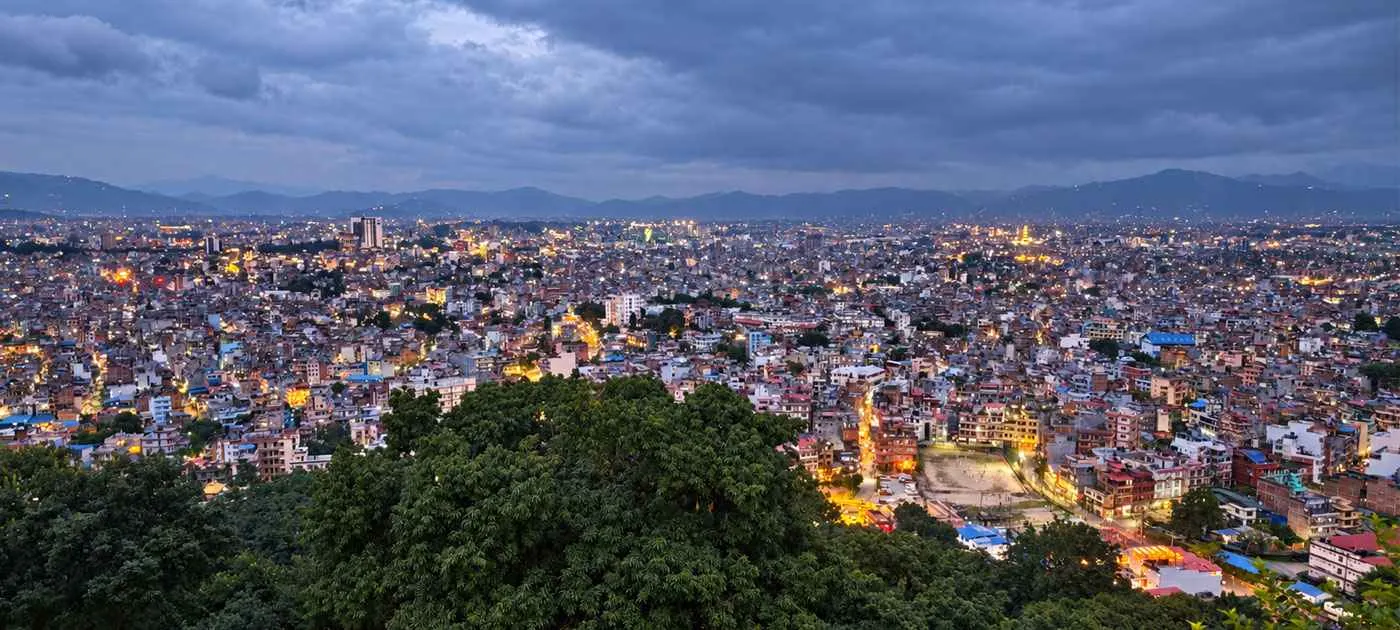
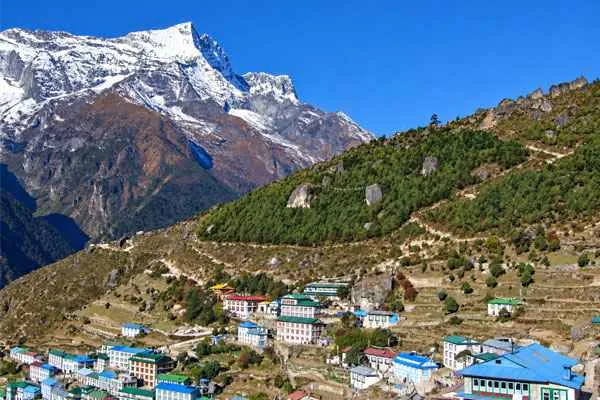
This valley is Nepal's capital region and sits high above sea level at 1350 meters, surrounded by large hills. Three major cities make up the region: Kathmandu, Patan, and Bhaktapur, which hold seven UNESCO World Heritage cultural sites. Today, people know this area as a developed, densely populated tourist hub full of unique art, architecture, culture, and street festivals, though a severe earthquake struck some of its historical monuments on April 25, 2015.
Looking back, the valley was once full of water before humans settled here after leaving jungle life. Originally known as Nepal Mandala, Kathmandu came later in the 12th century from a wooden building called Kashtha Mandap, built from a single tree in Kathmandu Durbar Square. Before the 15th century, the entire valley formed a single kingdom with Bhaktapur as its capital. Later, it split into three separate domains ruled by three different kings until King Prithvi Narayan Shaha united Nepal in the 18th century and made Kathmandu the national capital.
Several dynasties ruled the valley across the centuries:
The Gopal and Mahispal dynasties began the earliest rule as cow and buffalo feeders, guided by mythology about God Shree Krishna clearing the valley's water.
The Kirat dynasty followed, ruling for about 1225 years through 29 different kings starting around the 7th or 8th century BC.
The Lichchavi dynasty brought written language to Nepal through stone inscriptions, starting with King Manadeva at Changunarayan, and advanced stone architecture during their rule.
The Malla dynasty then ruled from the 12th to the 18th century, bringing Hindu rulers fleeing conflict in India and making Kathmandu flourish with wood carvings, art, and architecture. King Yaksha Malla eventually divided the unified valley among Patan, Kathmandu, and Bhaktapur, creating distinct royal lines for each city.
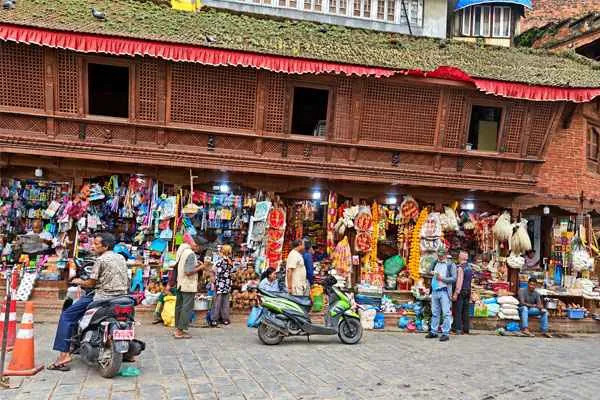
Kathmandu city, originally called Kantipur, saw a long line of Malla rulers around Kathmandu Durbar Square. Patan, also known as Lalitpur or the city of fine arts, often shifted between Kathmandu and Bhaktapur rule, with no single permanent royal family. Bhaktapur stands as the oldest city in the valley, famous for its wood carvings and known as the city of devotees.
Following the Malla period, King Prithvi Narayan Shaha moved his palace from Gorkha to Kathmandu in 1768 to unite the valley and govern a unified Nepal. A succession of Shaha kings ruled the country until 2008, when the monarchy ended and Nepal became a republic.
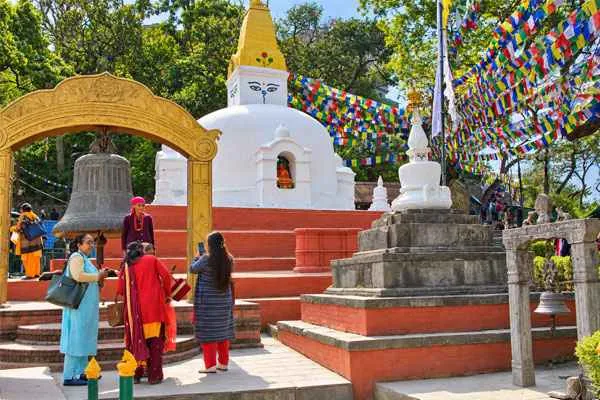
I welcome you to reach out if you want to visit these cities and heritage sites, or tour these places to learn more about history, culture, religion, ethnicity, art, and architecture. Explore four UNESCO World Heritage Sites on a one-day Kathmandu Tour and two ancient royal palaces, Bhaktapur and Patan, with our expert guides.
The Kathmandu Valley is Nepal's capital region and covers 167 ha. It has three major cities: Kathmandu, Patan, and Bhaktapur. There are 7 UNESCO World Heritage cultural sites. Kathmandu sits at an altitude of 1350 m above sea level, surrounded by large hills. Before the 15th century, it was one kingdom, and its capital was Bhaktapur. It was divided into three domains: Kathmandu, Patan, and Bhaktapur. Three kings ruled until the 18th century, and after King Prithvi Narayan Shaha united Nepal, Kathmandu became Nepal's capital. The valley was known as Nepal, while areas outside Kathmandu had several kings and small states.
Kathmandu is a developed, densely populated city in Nepal. Most major government headquarters are located in this valley. It is one of Nepal's tourist hubs, with rich, unique art, architecture, culture, and street festivals.
The earthquake severely hit some historical monuments on 25th April 2015, and a few hundred people were killed. Kathmandu is not the original name, so it was known as Nepal Mandala (Land of Nepa People), but later in the 12th century, made Kashtha Mandap (Wooden building), which was made out of the wood of one tree then named Kathmandu from this building which is in Kathmandu Durbar Square.
Kathmandu may have been inhabited from an early age, and humans began making settlements as they moved out of jungle life. Historically, Kathmandu was full of water, and when the water cleared out, Patan got its first inhabitants. Several different dynasties ruled in Kathmandu, as below:
Gopal dynasty (Cow feeders) ruled for 521 years by eight kings in Kathmandu
According to Hindu mythology, God Shree Krishna came with his friends when Kathmandu was full of water. He cleared the water, then sent the king to Bhuktaman, and he went.
- Bhumi Gupta (Bhuktaman)
- Jaya Gupta
- Dharma Gupta
- Harsh Gupta
- Bhim Gupta
- Madi Gupta
- Bishnu Gupta
- Jeet Gupta
Mahispal dynasty (Buffalo feeders) in Kathmandu
Mahispal were from the same Gopal dynasty and were divided into cow feeders and buffalo feeders from the same family.
Kirat Dynasty in KTM Valley
Kirat arrived in the valley early in the 7th or 8th century BC; they were Mongolian-looking and used sheep farming. Kirat ruled for about 1225 years by 29 different kings, as below:
- Yellung Hang or Yalambar
- Pari Hang
- Skandhar Hang
- Balamba Hang
- Haiti Hang
- Humati Hang
- Jitedasti Hang
- Galinja Hang
- Oysgja Hang
- Suyarma Hang
- Papa Hang
- Bunka Hang
- Swawnanda Hang
- Sthunko Hang
- Jinghri Hang
- Nane Hang
- Luka Hang
- Thor Hang
- Thoko Hang
- Verma Hang
- Guja Hang
- Pushkar Hang
- Keshu Hang
- Suja Hang
- Sansa Hang
- Gunam Hang
- Khimbu Hang
- Paruka Hang
Lichchavi Dynasty in the Valley
The Lichchavis were from the Indian states and ruled Nepal for only five kings. Nepal had no written language before the Lichchavi period. There was only a spoken language. King Manadeva erected a stone pillar in Changunarayan with inscriptions about his and his father’s work for the country, and then the reports began. Stone architecture was developed during this period. The kings of the Lichchavi were:
- Dharmadeva
- Manadeva
- Amshuvarma (was in the Lichchavi period, but he was not Lichchavi)
- Manadeva II
- Amshuvarma (again)
- Jayadeva II
Malla Dynasty in Kathmandu, Nepal
The Malla ruled Nepal from the 12th to the 18th century. By that time, Kathmandu was known as Nepal. During the Malla period, wooden carvings flourished, and most art and architecture developed. The Malla were also from the Indian states; when Muslims and Hindus clashed, the Malla, who were Hindu, escaped from their homeland and settled in Nepal. These Malla kings ruled the whole of Kathmandu, ruling from Bhaktapur:
- Ari Malla (1201 – 1216)
- Abhaya Malla (1216 - 1235)
- Ranasura (1216)
- Jayadeva Malla (1235 - 1258)
- Jaya Bhima Deva Malla (1258 - 1271)
- Jayashimha Malla (1271 - 1274)
- Ananta Malla (1274 - 1310)
- Jayananda Deva Malla (1310 - 1320)
- Jayari Malla (1320 - 1344)
- Jayarudra Malla (1320 - 1326)
- Jayaraja Deva Malla (1347 - 1361)
- Jayaarjuna Malla (1361 - 1382)
- Jayasthiti Malla (1382 - 1395)
- Jayajyotir Malla (1395 - 1428)
- Jayakriti Malla (1395 - 1403)
- Jayadharma Malla (1395 - 1408)
- Jayaksha Malla (1428 – 1482)
After the king ruled from Bhaktapur, when the whole valley was one country, he divided it into Patan, Kathmandu, and Bhaktapur. Different kings ruled each one until King Prithvi Narayan Shaha united Nepal.
Kathmandu
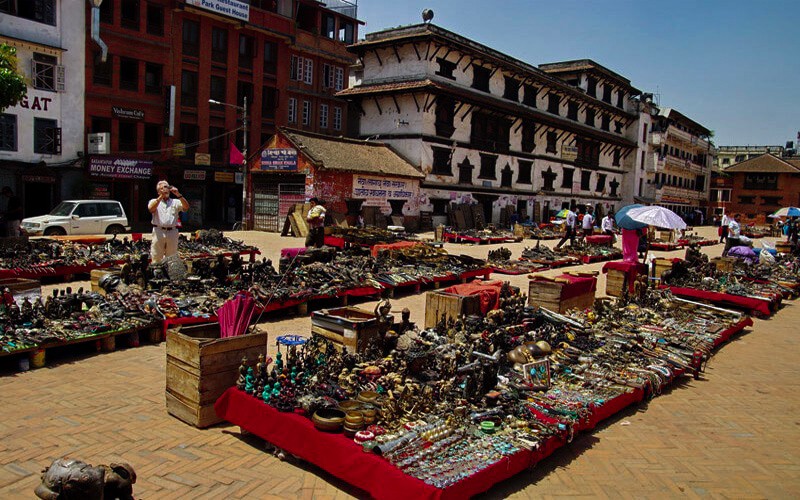
Kathmandu Durbar Square
The original name of Kathmandu was Kantipur, which later became Kathmandu. After the period of the Yaksha Malla, some kings ruled this city, who are listed below:
- Ratna Malla (1482 - 1520)
- Surya Malla (1520 - 1530)
- Amara Malla (1530 - 1538)
- Narendra Malla (1538 - 1560)
- Mahendra Malla (1560–1574)
- Sadashiva Malla (1574–1583)
- Shivasimha Malla (1583–1620)
- Laxminarasimha Malla (1620 - 1641)
- Pratap Malla (1641–1674)
- Chakrabartendra Malla (1669)
- Mahipatendra Malla (1670)
- Jayanripendra Malla (1674–1680)
- Parthivendra Malla (1680–1687)
- Bhupalendra Malla (1687–1700)
- Bhaskar Malla (1700–1714)
- Mahendrasimha Malla (1714–1722)
- Jagjaya Malla (1722–1736)
- Jayaprakash Malla (1736–1746)
- Jyotiprakash Malla (1746–1750)
- Jayaprakash Malla (1750–1768)
Lalitpur (Patan)
Lalitpur city is famous as Patan among tourists because of the Patan Durbar Square. The fine arts are named Latipur, so Lalitpur is the city of fine arts, and Patan is the flat land. This city has no regular kings. Sometimes, it was under Kathmandu, and sometimes, it was under Bhaktapur. Here is the list of those who ruled Lalitpur:
- Purandr Simha (1580 - 1600)
- Harihar Shimha (1600 - 1609)
- Shiva Simha [King of Kantipur] (1609 - 1620)
- Siddhi Nara Shimha Malla (1620 - 1661)
- Shree Niwasa Malla (1661 - 1685)
- Yoga Narendra Malla (1685–1705)
- Loka Prakash Malla (1705–1706)
- Purandara Malla (1706–1709)
- Bira Nara Shimha Malla (1709)
- Bira Mahindra Malla (1709–1715)
- Riddhi Malla (1715–1717)
- Mahindra Malla (1717–1722)
- Yoga Prakash Malla (1722–1729)
- Bishnu Malla (1729–1745)
- Rajya Prakash Malla (1745–1758)
- Bishwajit Malla (1758–1760)
- Jaya Prakash Malla (King of Kantipur) (1760–1761), (1763–1764)
- Ranajit Malla [King of Bhaktapur] (1762–1763)
- Dalamardan Shaha [Brother of Prithvi Narayan Shaha] (1764–1765)
- Tej Nara Simha Malla 1765–1768
Bhaktapur
Bhaktapur city is the oldest city in the valley, and it is rich in wooden carvings. Bhaktapur is known as the city of devotees, and it is also called Bhadgaun. Here is the list of the kings who ruled in Bhaktapur:
- Raya Malla (1482 - 1519)
- Prana Malla (1519 - 1547)
- Bishwa Malla (1547 - 1560)
- Trailokya Malla (1560–1613)
- Jagajyoti Malla (1613–1637)
- Naresh Malla (1637–1644)
- Jagat Prakash Malla (1644–1673)
- Jitamitra Malla (1673–1696)
- Bhupatindra Malla (1696–1722)
- Ranajit Malla (1722–1769)
Then, the Shaha dynasty (King Prithvi Narayan Shaha) united the valley, moved his palace from Gorkha to Kathmandu, and began ruling from Kathmandu as Nepal's capital. Several Shaha kings ruled Nepal until 2008. Nepal has no king anymore. Here are the Shaha kings who ruled from 1768 to 2008.
- Prithvi Narayan Shaha (1768 - 1775)
- Pratap Singh Shaha (1775 - 1777)
- Rana Bahadur Shaha (1777 - 1799)
- Girbana Yuddha Bikram Shaha (1799 - 1816)
- Rajendra Bikram Shaha (1816 - 1847)
- Surendra Bikram Shaha (1847 - 1881)
- Prithvi Bira Bikram Shaha (1881 - 1911)
- Tribhuwan Bira Bikram Shaha (1911 - 1950)
- Gyanendra Bira Bikram Shaha (1950 - 1951)
- Tribhuwan Bira Bikram Shaha (1951 - 1955)
- Mahendra Bira Bikram Shaha (1955 - 1972)
- Birendra Bira Bikram Shaha (1972 - 2001)
- Dipendra Bira Bikram Shaha (1st June 2001 - 4th June 2001)
- Gyanendra Bira Bikram Shaha (2001 - 2008)
Please get in touch with us if you want to visit these cities and heritage sites and tour these places to learn more about history, culture, religion, ethnicity, art, and architecture.