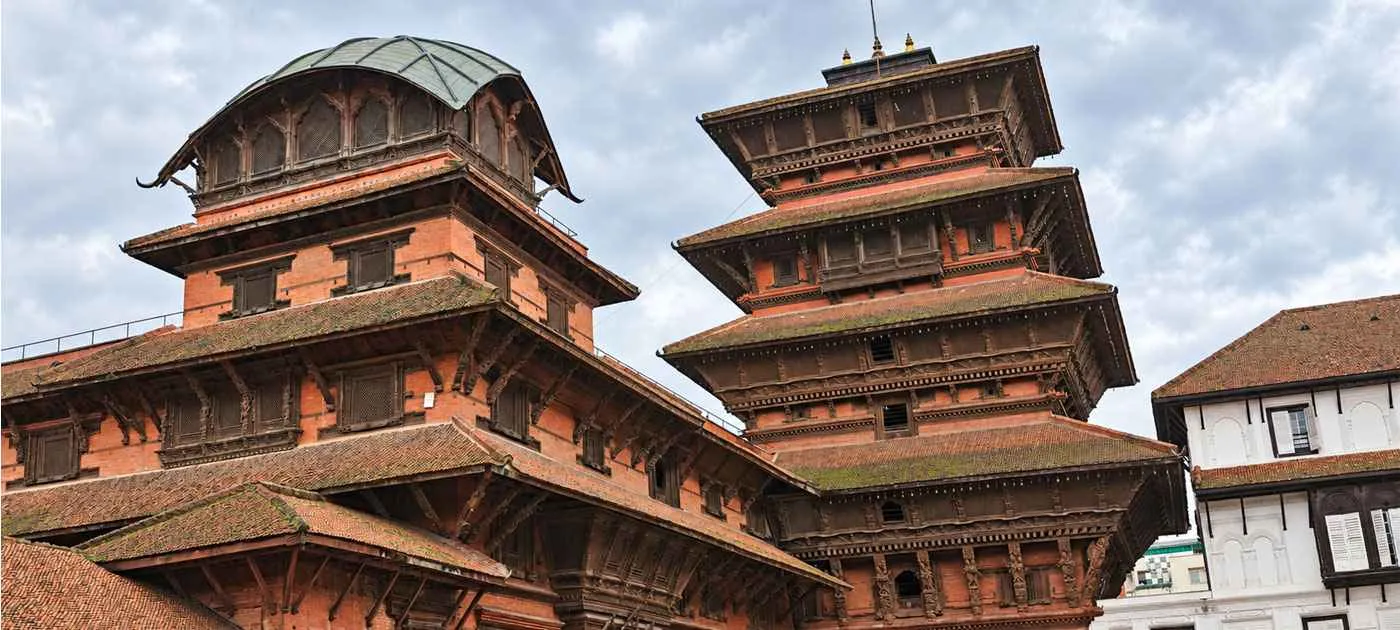
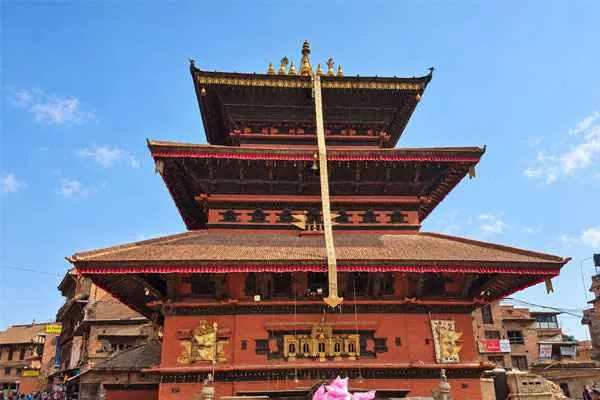
As I explore Kathmandu Durbar Square, I find myself standing inside an ancient royal palace and a UNESCO World Heritage site filled with rich history. Looking around, I notice stunning woodwork and intricate carvings crafted by Newar artists centuries ago. The Malla and Shaha dynasties shaped this historic ground before royalty eventually moved to another palace in the late nineteenth century.
Wandering through the site, I see remarkable features like traditional pagoda temples, peaceful courtyards, the famous Black Bhairava statue, and the unique Kashthamandap building. I am especially fascinated by the living goddess Kumari and the royal museum located right inside the palace grounds. Although the 2015 earthquake caused some damage, visitors can easily spend a couple of hours or even a full day exploring this incredible cultural landmark.
Have you ever had the chance to visit a historic royal palace in person? This place can be best explored with our culture and history expert tour guide. To arrange a visit, WhatsApp me at +9779851043624 or book our one-day Kathmandu Heritage Tour.
Kathmandu Durbar Square (Hanuman Dhoka Royal Palace) is an ancient royal palace in the Kathmandu Valley, one of the three royal palaces. Kathmandu Durbar Square is one of Nepal's ten UNESCO World Heritage sites.
Several temples and buildings were damaged during the April 25th, 2015 earthquake. The Durbar Square area has been surrounded by attractive architecture and the work of skillful Newar artists for centuries. Two different dynasties ruled Kathmandu Durbar Square: the Malla and Shahas. The palace area has beautiful courtyards, Pagoda temples, and more.
Highlights of the Kathmandu Durbar Square
- Pagoda temples were built between the 12th and 18th centuries
- An ancient royal palace with a museum
- Kashthamandap (which was named the city of Kathmandu)
- Living Goddess Kumari
- Black Bhairava (God of death)
- Beautiful carvings on the windows, doors, and around the temples
- Souvenir shops at the Basantapur Dabali
Some buildings were built earlier in the third century of the Lichhavi period. They came in different shapes and changed during the Malla period. Only one king ruled the Kathmandu Valley, which became independent in 1484 and was ruled by Ratna Malla until 1520. When Prithvi Narayan Shaha from the Gorkha kingdom invaded the Kathmandu Valley in 1769 and used this palace to lead the country, other generations of the Shaha dynasty also ruled from here until 1896, when they moved to the Narayan Hiti royal palace.
Ratna Malla built the Taleju temple (the Family goddess of the royal people) on the northern side of the palace in 1501. The Nasal Chok (the Main courtyard) is used for royal functions. According to the story, the Kashthamandap was built from the wood of a single tree in the 12th century, and the building was named Kathmandu.
The museum, which displays the works of the kings and other things, is inside the main palace, which was closed to the public after the earthquake. Hindus and Buddhists worship the living goddess, a very young virgin lady (the goddess Taleju). It is a great place to visit. The wooden carvings were mainly developed in the medieval period, when the Malla kings ruled, and they are attractive.
A quick visit takes about 2 hours, but you can spend a whole day. You can also explore the area and enjoy the sights.