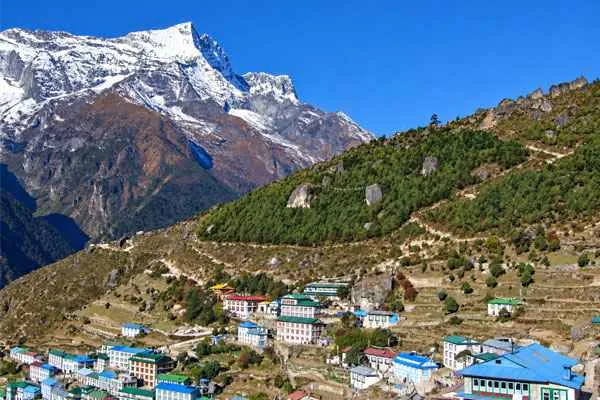
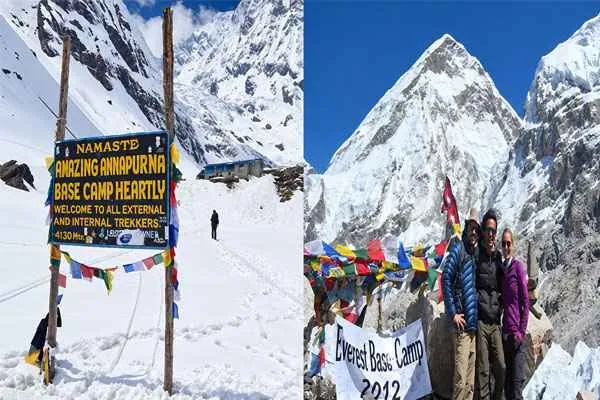
Planning a trek to Everest Base Camp is an exciting adventure, and I want to share the most important details you need to know before you go. The journey starts with a scenic flight from Kathmandu to Lukla at 2,840 meters, leading you gradually up to the base camp at 5,364 meters and Kalapatthar at 5,550 meters. Because you will be walking along rocky paths at very high elevations, taking your time and allowing your body to adjust is essential for a safe and successful trip.
Managing the altitude is the biggest part of preparing for this trek. As you climb higher, oxygen levels drop, which means you need built-in acclimatization days, like stopping in places like Namche Bazaar and Dingboche, to help your body adapt. Mild altitude sickness can happen to anyone coming from sea level, so drinking plenty of water, walking slowly, and listening closely to your guide will keep you safe. If you ever feel severe headaches, dizziness, or trouble breathing, stopping your ascent immediately is vital.
To make your journey smooth and worry-free, I always recommend hiring a local guide and porter through trusted providers like Frolic Adventure so you can enjoy the trail without carrying heavy bags. You also need to secure proper travel insurance that specifically covers high-altitude emergency helicopter evacuation up to 6,000 meters. Whether you decide to hike the classic trail step by step or take a quick helicopter tour for a shorter visit, proper preparation ensures you experience the majesty of the world's highest peak safely.
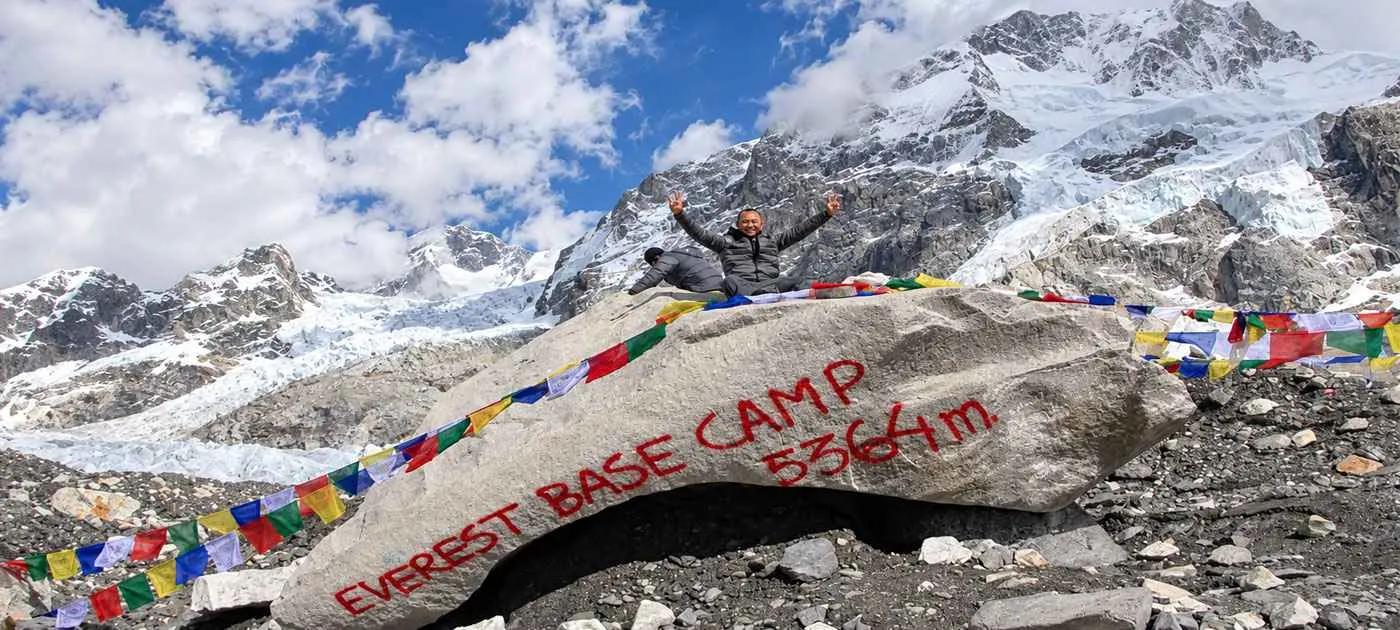
Everest Base Camp (5,364m)
Everest Base Camp is at the bottom of the world's highest mountain (Everest). Everest is 8,848m, and its Base Camp's Altitude is 5,364m from sea level, where the Everest expedition begins. The Everest Base Camp trek is a highlighted and popular trekking route in Nepal.
This complete trek starts from Kathmandu with a scenic mountain flight to Lukla Airport at 2,840m elevation. Day by day, the trek leads to Everest Base Camp and Kalapatthar (5,550m) afterward. EBC trekking trail includes high and very high altitudes, with variations in ascent and descent.
The main route features jagged landscapes and significant altitude gain. So collecting helpful information about altitude is essential before planning a trek. Basic information about altitude variation and preventing sickness may help in a successful Everest Base Camp Trek. Visiting Everest Base Camp is not very difficult at all.
Ascending Elevation in the Everest Base Camp Trek
The exact Elevation of Everest Base Camp is 5,364 meters above sea level. Visiting Everest Base Camp does not mean flying to Lukla and trekking directly to the base camp within a day. Although visiting the Base Camp in a few hours is possible by helicopter, flying to Lukla for a few days' trek to Base Camp is a common and popular way. Trekkers take two or at least one acclimatization day to adjust to the altitude.
As people ascend in Elevation, the atmospheric pressure increases, and the oxygen level decreases. When people ascend, they feel altitude effects and may suffer from altitude sickness. So, it is better to acclimatize before proceeding to a higher level. Below is a day-by-day Altitude variation chart as trekkers move further.
| Day |
Place |
Elevation |
Walking Hours |
| 1 |
Lukla and Phakding |
2,840m and Trek to Phakding (2,610m) |
3 hrs.
|
| 2 |
Namche Bazaar |
3.440m |
6-7 hrs. |
| 3 |
Visit Everest View Hotel for acclimatization
|
3,780m. |
4 hrs. |
| 4 |
Tengboche |
3,860m. |
5-6 hrs. |
| 5 |
Dingboche |
4,410m. |
5-6 hrs. |
| 7 |
Acclimatization hike to Nagartsang Hill |
5,100m. |
4 hrs. |
| 7 |
Lobuche |
4,910m. |
4-5 hrs. |
| 8 |
Everest Base Camp via Gorakshep
|
5,364m (EBC) and 5,180m (Gorakshep)
|
7-8 hrs in total
|
The trek descends to Lukla 3 days after visiting these places and flies back to Kathmandu.
Popular Packages
- Everest Base Camp Trek
- Everest View Trek
- Gokyo Lake Trek
Coming from Sea Level and Visiting Such a Higher Elevation
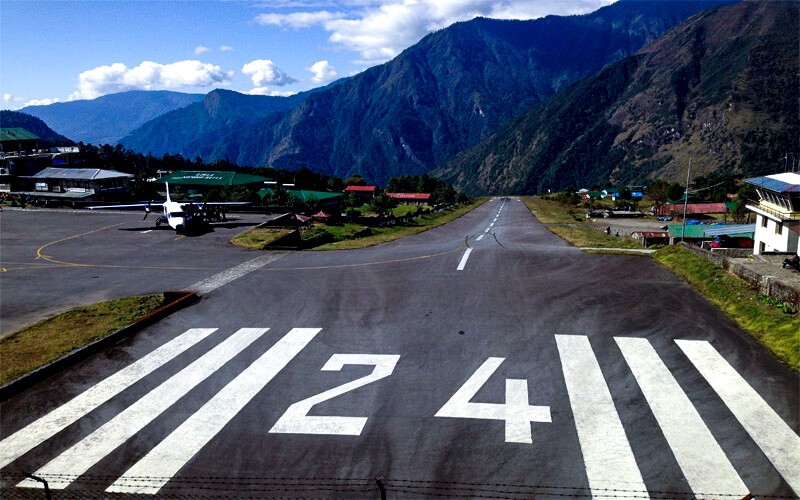
Lukla Airport
Not all countries are at a higher elevation than the average sea level. Some countries extend up to 200 meters above sea level. There are even such places in Nepal.
For people coming from these places, the altitude of Kathmandu Valley may already be high enough. But there is no chance of altitude sickness. The altitude can reach 2,840m when people fly to Lukla for the Everest Base Camp trek.
Anyone who is a beginner trekker and has visited here for the first time may feel the altitude somehow. So it is good to rest in Kathmandu for at least one day before flying to this altitude. Then, proceed to the trek to Everest.
Walking slowly and carefully is better while trekking on this route. It may not be easy during the walk, with rocky paths and some ascending trails. Taking short breaks and catching your breath along the way is suitable for the altitude.
Doing a short and Easy trek anywhere else before deciding to do the Everest Base Camp is a good idea. It makes walking more accessible, along with rough trails, weather, climate, and altitude. This practice makes the Everest trekking route easier. It also makes sense with changing altitude.
Altitude Sickness Because of Elevation Gain
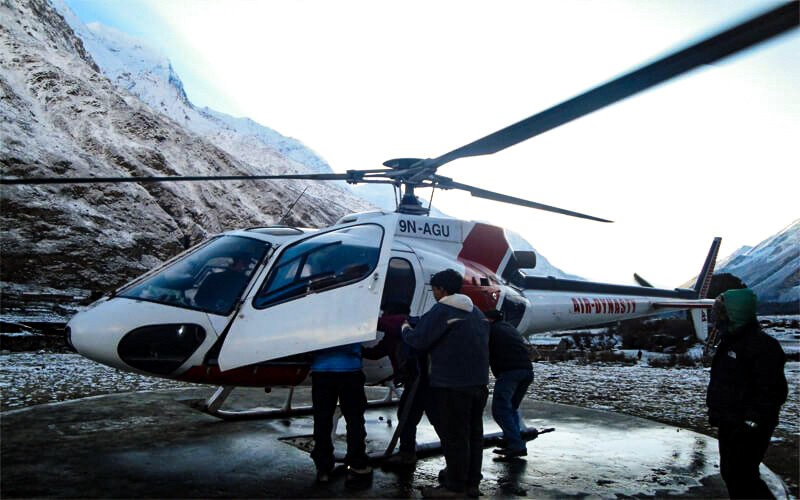
Mountain Rescue
Coming from sea level to 1,350m in Kathmandu, flying to 2,840m to Lukla, and trekking to the base camp (5,364m) may be a problem with Altitude sickness for first-time visitors at these Elevations. But it will not be a problem for everyone. There are two types of altitude sickness: High Altitude Cerebral Edema (HACE) and High-Altitude Pulmonary Edema (HAPE). Some people may have one of these or both. It may not be effective for most trekkers to have both of them.
HACE affects the brain, which swells with fluids. It causes a physiological effect when people travel to a high altitude. HAPE affects the lungs, which collect fluids in the numerous air sacs, and makes breathing difficult.
Altitude Sickness feels normal at first, but it may kill people. Specific symptoms are easily identified when the problem starts. It's better to consult with the team leader or guide and take action as soon as possible. Be careful if you have a severe headache, vomiting, difficulty breathing, tiredness while resting, or other unknown changes in your body.
Stay Protected from Altitude Sickness at High Elevations
- · Don't frequently think about the altitude problem
- · Drink enough clean water and fluids to prevent dehydration
- · Do some altitude practice by visiting higher altitudes where you spend the night
- · Do not ascend and have rest if the problem starts
- · Do not walk alone; even if you descend downhill, walk with someone
- · If you can't sleep well, do not take any medication to make you sleepy
- · Have some altitude prevention medication, but do not ascend with medicine if you have a problem
- · Take advice from the tour leader or guide
Hiring a Guide and a Porter for the High Altitude
Trekking during the high season in Nepal, especially on the Everest Base Camp trail, is not that difficult to find the path. There are hundreds of trekkers along the way. But if you would like to enjoy your holiday, hiring a guide and a porter is better. If anything happens, the problems are faced by the guide, who carries all the stuff carried by the porter, making walking comfortable.
Hiring a Guide and Porter is not difficult and not expensive in Nepal. You can hire them online with Frolic Adventure. The guides are helpful, experienced, and friendly. The porters are robust and honest with their clients. So, a guide and a porter help travelers make a successful Everest Base Camp journey.
Everest Adventure Tours
- Everest High Passes Trek
- Everest Base Camp Gokyo Lake Trek
- Gokyo Renjo La Pass Trek
Travel Insurance for High Elevation
Travel insurance is essential for trekking in the High Altitudes of Nepal. You never know what will happen during a trip, so get insured before proceeding to a higher elevation.
In general, travel insurance covers up to 2000 meters. But those planning a trek to EBC must buy a policy that covers up to 6000 meters. They also need to be sure if it covers expenses for sickness, injury, or accident. The most important thing is to do a quick helicopter evacuation rescue cover check before buying travel insurance with any reliable company.
Conclusion
There are several ways to visit Everest Base Camp. Elevation affects the way travelers choose and how much time it takes. The altitude in the Everest region is high. Strolling and catching your breath is the best way to go. Acclimatization and altitude practice are the primary keys to avoiding problems.
Doing research before the trek to the EBC is always a brilliant idea. The investigation leads to what to do and what not to do. Knowing what to expect and preparing well are also important.
Alternatively, there is another short, easy option that does not involve altitude sickness. Take a helicopter flight to the base camp and enjoy the Everest massif. This option suits people who have a short holiday, are not physically prepared to walk at high elevations, and would like to see Everest and the base camp.