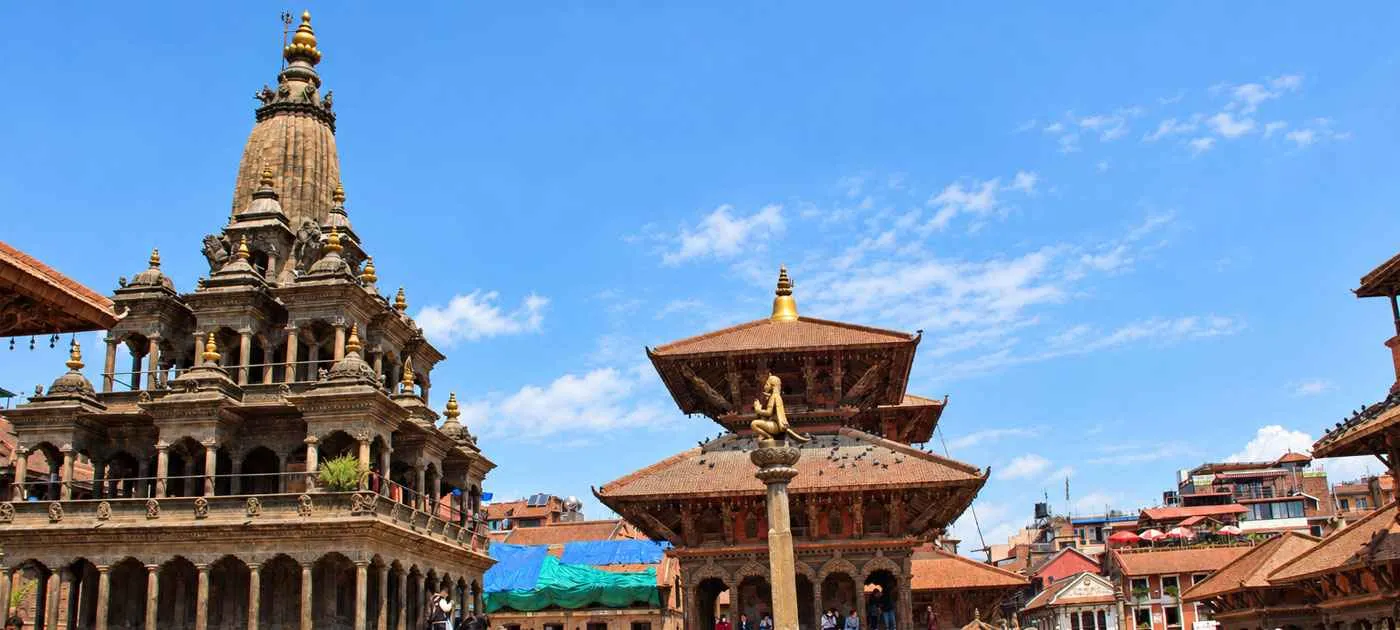
I want to share the fascinating story and beauty of Patan Durbar Square, an ancient royal site nestled in the Kathmandu Valley. Also known by its original name, Lalitpur, which means the city of fine arts, this remarkable place holds a special spot as one of Nepal's UNESCO World Heritage Sites.
A Journey Through Time
When I look at the city's history, it began under the Kirat dynasty and grew through various eras. For a long time, the palace had no permanent ruler, meaning kings from Kathmandu, Bhaktapur, and Gorkha took turns governing from here. Independent rule truly took shape around 1580 under Siddhi Narasimha Malla, followed by his son. Eventually, King Prithvi Narayan Shah united Patan with his kingdom in 1768, and UNESCO officially recognized its cultural value in 1979.
Treasures to Explore
When you visit, you will find incredible landmarks waiting for you:
- Golden Temple: A 12th-century Buddhist monastery and temple also called Hiranya Varna Mahabihar.
- Kumbheshwar Mahadeva Temple: A striking structure built in the 15th century.
- Patan Royal Palace Museum: A wonderful window into the royal past.
- Krishna Mandir: A famous stone temple packed with pinnacles where people gather to celebrate festivals in August.
- Yards, Gardens, and Carvings: Countless pagoda temples showcasing stunning traditional wooden and metal craftsmanship.
I hope this overview inspires you to experience Patan's rich heritage and artistry firsthand!
Would you like help planning a specific itinerary to visit these temples? You can WhatsApp me at +9779851043624 or book the Bhaktapur and Patan Tour to explore this ancient historical site.
Patan Durbar Square is an ancient royal palace in the Kathmandu Valley. It was not a proper palace until the 14th century, when the Kathmandu Valley was a single kingdom. The Patan royal palace had no permanent king, so sometimes kings from Bhaktapur, Kathmandu, and Gorkha ruled from it. Our Bhaktapur and Patan day tour packages include a visit to this palace.
Patan's real name is Lalitpur. Lalitpur means the city of fine arts, and Patan means flat land. The first inhabitants of the Kathmandu Valley lived in this city. It is one of Nepal's ten UNESCO World Heritage Sites.
History of Patan
Patan was established during the Kirat dynasty, and the place was known as Thal in the Kirat language. Some monuments were built here during the Lichchhavi period. Patan was under the king of Kathmandu when Ratna Malla ruled. Around 1580, Shiva Singha Malla (King of Kathmandu) was succeeded by Siddhi Narasimha Malla, making Patan an independent country. Shriniwas Malla (Son of Siddhi Narasimha Malla) tried to oppose his father in 1658; Siddhi Narasimha Malla knew and made his son Shriniwas Malla king. Several kings ruled the country, including Bhaskar Malla, who came from Kathmandu and became king in this palace. King Prithvi Narayan Shaha's brother from Gorkha also ruled Patan in 1763. Prithvi Narayan Shaha won Patan in 1768 and merged it with his country. UNESCO registered this place as a World Heritage Site in 1979.
Things to See in Patan Durbar Square
- Golden Temple (12th Century)
- Kumbheshwar Mahadeva Temple (15th Century)
- The Patan royal palace (Museum)
- Beautiful Yards and a Garden
- Fine arts and carvings
- Pagoda temples and more
Golden Temple is also known as Hiranya Varna Mahabihar. Bhaskar Varma is an old Buddhist Monastery and temple built in the 12th Century. Krishna Mandir, a big stone temple with many pinnacles, is one of the famous temples where Hindus celebrate Krishna Janma Asthami in August. Several old Pagoda temples and wooden carvings are phenomenally decorated in this place.