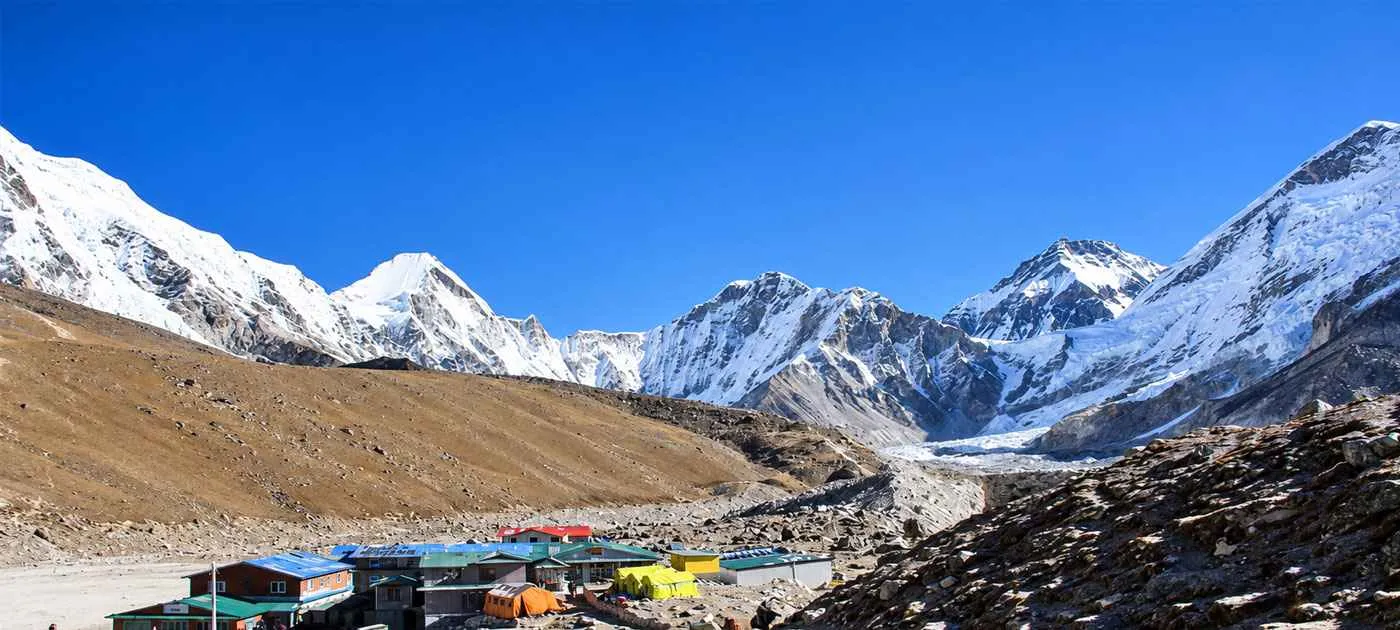
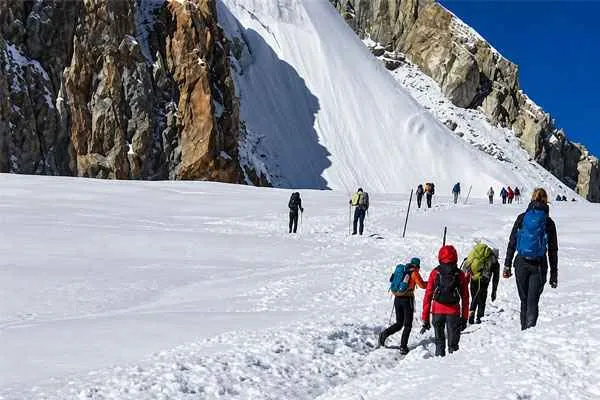
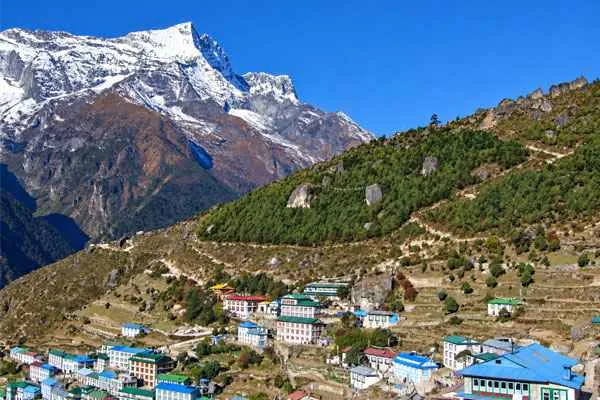
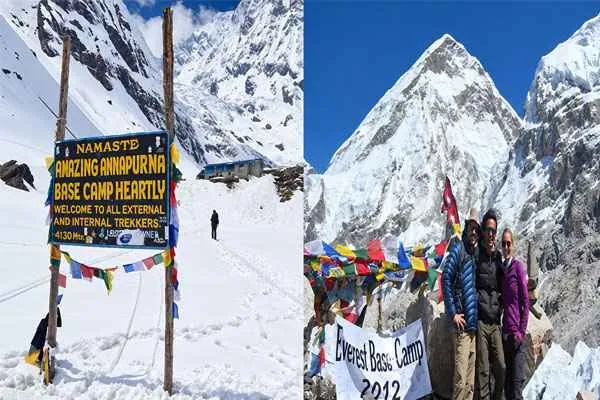
Nepal is famous for amazing mountains, including eight of the highest peaks in the world, like Mount Everest. People love to visit for trekking, climbing, wildlife safaris, helicopter tours, and cultural experiences.
Because of climate change, the weather seasons have shifted slightly from traditional months:
Autumn (Mid-September to Mid-December): This is the busiest and best time for trekking. The weather is stable and clear, and major festivals like Dashain and Diwali happen in October and November.
Spring (Mid February to Mid May): This is another great season for trekking and the main time for mountain expeditions. Flowers bloom everywhere, and the weather gets warmer, though cities can sometimes be hazy.
Winter (Mid December to Mid February): It is the coldest time of the year, but days are bright and sunny. While high mountain trekking is quiet, it is the best time for jungle safaris, low-land luxury tours, and short walks near Kathmandu and Pokhara.
Summer (Mid May to Mid September): This is the warmest and rainiest season. It is not ideal for most outdoor trips because of heavy rain, but permit costs are cheaper, and some rain shadow areas remain dry.
Beyond mountain climbing and trekking, Nepal offers rich cultural festivals nearly every month, whitewater rafting, wildlife tours, and historic city sites. While you can visit all year round, autumn and spring remain the top choices for outdoor adventures.
When is the Best Time to Travel to Nepal?
What kind of tourism activity will you do in Nepal when you travel to Nepal? Trekking and expeditions are the most famous activities in Nepal. Still, other luxurious trips include luxury trekking, helicopter tours, and wildlife safaris. Autumn and Spring are the most popular seasons, so many tourists visit Nepal. How many climate seasons in Nepal? And which months are in which seasons? Let's get to know about the seasons, and then we'll go further into the best times for different activities:
Autumn Season (Second Half of September to Second Half of December)
September, October, and November used to be in autumn; you see this information on most sites. However, due to climate change, the autumn temperature now extends from the second half of September to the second half of December. This shift in the traditional seasons is essential as it affects the weather conditions during your visit. Autumn is the busiest tourism season in Nepal. There will be stable weather conditions and a bright environment in autumn, so thousands of adventure travelers visit Nepal each day to trek in Nepal.
Spring Season ( Second Half of February to First Half of May)
The second best time for Nepal Travel is the spring season. Spring consists of March, April, and May a few years back. But, from the second half of February to the first half of May, there is a spring climate and temperatures. It is the driest time of the year. Colorful flowers are blooming in the forests and on the streets in the cities now. Still, the city environment might be hazy some days because of the lack of rain for a long time and the forest fires. It is a warm and prime time for an expedition to Mt. Everest and other high mountains.
Winter Season ( Second Half of December to First Half of February)
December, January, and February used to be in the winter season in Nepal. However, because of climate change, the winter season has slightly changed from the second half of December to the first half of February. It is the coldest season of the year, but the climate is bright in winter. Very few trekkers go to the mountains, but it is a perfect time for a short trek near Kathmandu and Pokhara and for luxury tours in the winter months. Winter is the best time for jungle safaris, other lowland luxury tours, and short treks near Kathmandu and Pokhara.
Summer Season (Second Half of May to First Half of September)
The summer season, from the first half of May to the second half of September, is the warmest time in Nepal. It rains a lot during summer in Nepal, which is not a perfect time to visit Nepal. Although some rain shadow regions exist in the Nepalese Himalayas, the permit cost is cheaper than the high trekking fees in autumn and Spring.
Why People Visit Nepal?
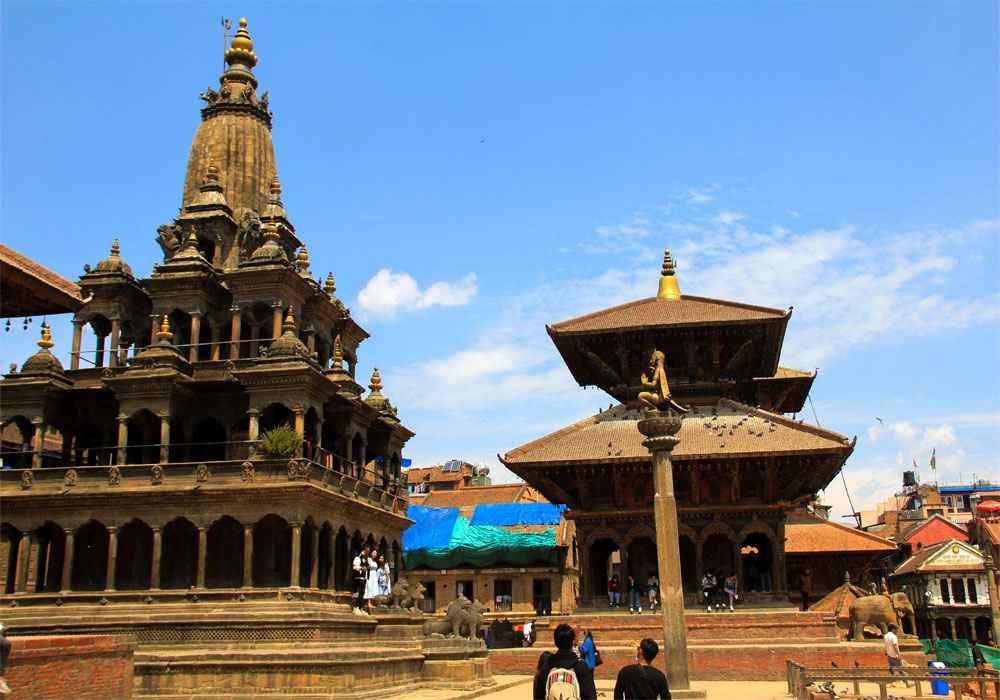 Patan Durbar Square
Nepal, a Himalayan nation with its snow-capped white mountains, offers a unique and awe-inspiring experience. Eight of the world's fourteen mountains, including the majestic Everest, are above eight thousand meters. Nepal's natural beauty is sure to inspire and leave you in awe. The allure of these towering peaks draws significant visitors to Nepal.
Nepal's most popular commercial trekking regions include Everest, Annapurna, Langtang, and Manaslu. In addition, we recommend Mustang, Kanchenjunga, and other off-the-beaten-track destinations while traveling to Nepal. Autumn and Spring are the best times for Himalayan trekking in Nepal.
Peak climbing and expeditions are the most adventurous tourism activities travelers can do in Nepal during their visit. Island Peak and Mera Peak are mountains to climb, and Everest expeditions are the most popular in Nepal. However, hundreds of adventurers also climb the other high peaks. People climb white mountains all year in Nepal, but mainly in spring, and almost no one in winter.
While Nepal is renowned for its adventure activities, it also offers visitors a range of unique experiences. From whitewater rafting to wildlife tours, pilgrimage tours, fishing trips, and homestay cultural and rural journeys, Nepal provides exclusive experiences that will pique your interest and leave you with unforgettable memories.
Best Time to See Festivals in Nepal
Nepal is a multicultural country with more than one hundred twenty-five ethnic groups. Because of this rich diversity, there are many festivals almost every month. However, the major festivals are in October and November. Travel to Nepal in October and November, and you can immerse yourself in celebrating the most prominent Hindu Festivals, Dashain and Diwali, among many others.
The Kathmandu Valley has the most festivals. The local inhabitants of the Kathmandu Valley are Newar, so they have more festivals and celebrations than other ethnic groups in Nepal. Indra Jatra in Kathmandu in September/October, Bisket Jatra in Bhaktapur in April, and Machhindranath Festival in Lalitpur (Patan) in April are the most significant festival celebrations by thousands of people for a few days.
In addition to these festivals, you should visit Nepal to see Shivaratri in Pashupatinath in February, Teej (a women's festival) in August everywhere in Nepal (besides the mountains), and Holi (a color festival) in March everywhere in Nepal.
Nepal's mountain regions also host some famous festival celebrations. The Mani Rimdu festival in the Everest Region in autumn is a must-see if you're trekking in the Everest Himalayas. Another unique experience is the Upper Mustang Visit at the end of Spring. Janai Purnima festival celebration in Gosaikunda is in August. Despite being off-season, the Janai Purnima festival celebration in Gosaikunda in August is a tourism season and a great time to visit Nepal to participate in these unique festivals.
Finally
Nepal is not just about mountains and adventure. It's a land of diverse experiences, including heritage sites, water adventures, pilgrimage sites, luxury activities, and cultural sites. While you can visit Nepal at any time of the year for various activities, autumn and Spring are the best times to embark on mountain treks and expeditions.
We offer treks and tours to different destinations in Nepal during other seasons. We tailor-make trips to your time frame and season. You can ask us about the activities and best times for your desired tours.