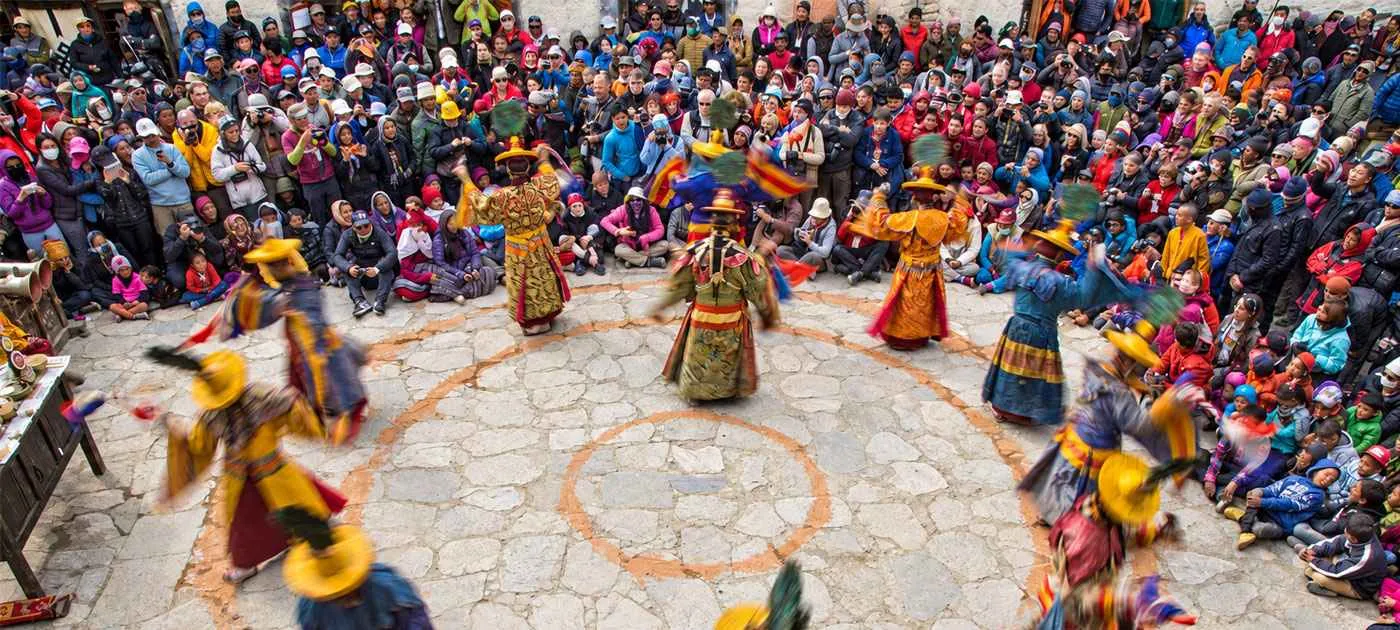
Tiji is a famous Tibetan Buddhist Festival, which is celebrated in Lo-Manthang. Lo-Manthang was the capital city of Mustang, located in Upper Mustang. Celebrating this Festival aims to protect the region from natural disasters or evil powers. Tiji represents Tenchi, a short form of Tempa Tenpa Chirim (prayer for world peace).
The Festival Tiji began more than 300 years ago as a celebration of victory against the devil by the gods. According to cultural and Buddhist religious evidence, the definitive history of Lama Dorje Jono and Padmasambhava (Guru Rinpoche) is linked directly to Vajrayana Buddhism. Lama Dorje Jono, instructed by Guru Rinpoche, was defeated by the devil's force for peace and prosperity in Upper Mustang.
Every May, the monks from Chhode monastery in Lomanthang perform a special Vajrakila ritual. During this Festival, people wear colorful masks and dance to chants. The dance depicts a historical fight between Dorje Jono and the devils.
The Festival begins with a delicate dance, a symbolic performance of the god winning against the devil. On the second day, the performance is to try to send demons to the Buddha realm, and the third day ends with presenting the gods and demons wearing different masks and horns, which are called Dhungchen.
Festival Celebration
The First Day Celebration
The First Day of the Tiji begins in the afternoon. The locals start managing the things for the Festival in the morning. The Festival officially begins with big sounds of horns, drums, and cymbals. It begins in the monastery with the monks and performers. Then, the monks head to the palace square and sit on a big traditional Buddhist painting (Thangka). The Tsa Chaam dance with mask goes on after this in the yard. This type of dance tells a tale about Dorje Jono and his victory against the demon.
The Second Day Celebration
On the Festival's Second Day, the monks perform the Nga Cham dance in the palace yard. The dance shows the meaning of Dorje Jono trying to send demons to the Buddha realm. The performers look like female performers with their typical dresses and ornaments, heading towards the main palace square. The performance applies to the heavenly palace and deities period on the second day of this Festival.
The Third Day Celebration
The Third Day is the last Day of the Tiji. It starts with ceremonial music and a masked dance called Rha Chaam. This kind of performance indicates the end of the demon force. All the versions come together at the end with more music, dance, and gunshots. A monk executes as Dorjee Sonam throws a dummy made from Tsampa (barely), which represents the evil named Ma Tam Ru Ta.
Plan a Trek for Mustang Festival Tiji
You can plan a Trek to the Upper Mustang for the Tiji Festival. But when should you go? If you want to see the Festival, you must go on a trek in May. The Tiji Festival occurs in May every year, but the dates can differ. They are fixed according to the Tibetan Lunar Calendar.
You need around 20 days in Nepal for the Tiji Trek. The Trekking itinerary from Pokhara to Pohara is 15 days. Here, you can find the itinerary of the Tiji Trek to Upper Mustang.
Day 01: Arrival in Kathmandu (1,350m)
A representative from Frolic Adventure will pick you up from the international airport in Kathmandu with private transport and then transfer you to the hotel. Here, you meet the company manager to talk about the trip after you refresh at the hotel.
Day 02: Free Day and Permit making day in Kathmandu (1,35m)
It is your free day in Kathmandu because you need an extra day to arrange a restricted-region entry permit in Kathmandu. Handing your original passport to the company representative for the license would be best. You can do the Kathmandu city tour, Bhaktapur and Patan tour, other day tours, or a hike in the valley to spend your free day today.
Day 03: Drive from Kathmandu to Pokhara (8,20m) 6-7 hrs
You drive from Kathmandu to Pokhara in the morning on a tourist bus early this morning. It takes around 6-7 hours to reach Pokhara. Today's driving route goes through beautiful valleys to see many traditional towns, rice fields, rivers, waterfalls, and more. Alternatively, you can fly from Kathmandu to Pokhara, which takes 25 minutes. Once you check in at the hotel in Pokhara, you can walk around the lakeside and stay overnight at the hotel.
Day 04: Fly from Pokhara to Jomsom (2,720m) - 19 minutes, and trek to Kagbeni (2,800m) 3-4 hrs
Today, you fly from Pokhara to Jomsom early in the morning. The flight follows the Kali Gandaki River, crossing over Ghorepani. This 19-minute flight offers beautiful views of the Annapurna and Dhaulagiri massifs, attractive landscapes, green forests, rivers, and waterfalls. After landing at Jomsom Airport, you trek to Kagbeni, following the Kali Gandaki for 3-4 hours.
Day 05: Trek from Kagbeni to Chaele (3,100m) 5-6 hrs
You trek to Chaile today after breakfast in Kagbeni through an open valley. This 5-6 hour journey goes through Tangbe and Chhusang to Chaile. During the trek, you can search for some Saligrima (fossils) today on the Kaligandaki riverbank.
Day 06: Trek from Chele to Syangbochen (3,800m) 6-7 hrs
Today, you trek to Syangbochen through Samar. The trail gradually ascends until it reaches Samar and then descends for a few minutes. It ascends again for another hour and then descends to Chhungsi cave. Here, you can see a monastery and Buddhist monuments. Then, it gradually climbs to Syangbochen.
Day 07: Trek from Syangbochen to Ghami (3,510m) 4 hrs
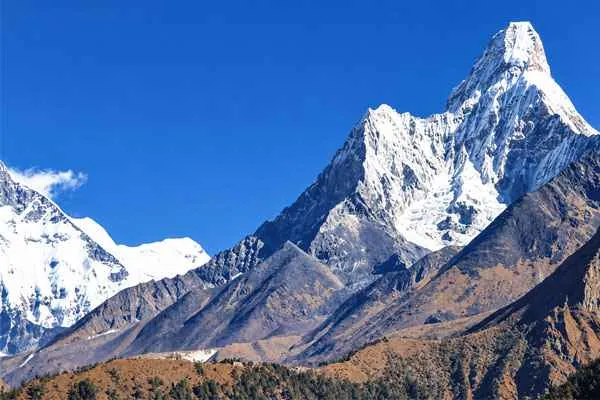
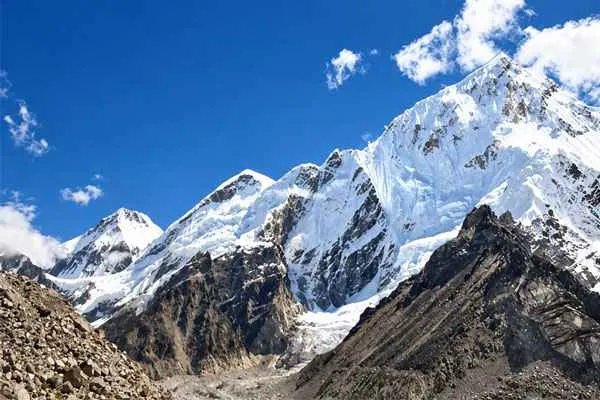
After breakfast at the guesthouse, you ascend for a few minutes. You can see beautiful views of Nilgiri, Tilicho, Khangsar Khang, Annapurna Fang, and many other high snow-capped mountains today. Walking through the Himalayan desert lands, you reach Ghami today.
Day 08: Trek from Ghami to T-Sarang (3,560m) 4 hrs
You start the day descending to the stream and then crossing a suspension bridge. Right after crossing the bridge, you start ascending. Here, you see a long Buddhist Mani wall. You see colorful hills and caves towards Dhakmar village after crossing the Mani wall. You ascend for another half an hour; then, the trail goes flat and down to T-Sarang.
Day 09: Trek from T-Sarang to Lomanthang (3,840m) 5 hrs
After breakfast at the lodge in Charang, you start the day by descending a small stream, then ascending for half an hour. The trail gradually ascends from here for another 2 hours and then descends in the last part to Lomanthang. You can walk around the town in the afternoon after lunch here in Lo-Manthang.
Day 10: Enjoy the first-day Festival
Day 11: Enjoy the second-day Festival
Day 12: Enjoy the last-day festival
Day 13: Visit Chhoser cave and overnight in Lomanthang
You hike to Chhoser Village this morning after breakfast. It takes around 2 hours to reach this village. You can see beautiful views of the Annapurna Himalaya in the background. You visit Chhoser cave, which is a four-storied cave on a hill. After the cave, you visit two ancient Buddhist monasteries in this town, then hike back to Lo-Manthang after lunch in Chhoser village.
Day 14: Trek from Lomanthang to Ghami (3,510m) 5-6 hours
Today, you will start returning to Ghami via T-Sarang in the same way. You will have a great view of the beautiful Annapurna mountain range today. Today, most of the trekking trail goes downhill to Ghami.
Day 15: Trek from Ghami to Samar (3,600m) 6 hrs
You start the day by ascending at the beginning for about an hour and then descend towards Ghiling Valley. Also, you have stunning Annapurna massif views today. You reach Syangbochen for lunch, then take the upper trail to Samar.
Day 16: Trek from Samar to Kagbeni (2,800m) 6 hrs
After breakfast at the lodge, you start the trek to Kagbeni today. You will pass villages like Chele, Chhusang, and Tangbe before arriving in Kagbeni. The trail for today mostly descends, but it might be windy on the track. You will see Dhaulagiri and the Annapurna massif from the trekking trail today.
Day 17: Trek from Kagbeni to Jomsom (2,720m) 3 hrs
Today is the shortest walking day during the Upper Mustang Tiji Festival Trek. You walk about 3 hours from Kagbeni to Jomsom. You spend a night here waiting for the next day's flight to Pokhara.
Day 18: Fly out from Jomsom to Pokhara (820m) - 19 minutes
Today, you fly early in the morning to Pokhara from Jomsom. There are no flights during the day because of the strong winds in this Kaligandaki valley. You have a full day in Pokhara today, so you can do a Pokhara city tour, paragliding, or bungee jumping if you are interested.
Day 19: Drive back to Kathmandu (1,350m) 6-7 hrs
You drive in the morning by a tourist bus from Pokhara to Kathmandu today. The bus leaves at 7:30 and reaches Kathmandu around 3 pm. You check in at the hotel in Kathmandu and then can walk around Thamel if you want to do some souvenir shopping. You will have a farewell dinner this evening with Frolic Adventure.
Day 20: Departure to the international airport for your final flight
Frolic Adventure provides private transport to the international airport for your final departure to your home from Nepal.
Enjoy the Festival with a Short Holiday
Don't you have enough time for a lengthy Festival Trek? But you must be interested in joining this special occasion with the Mustang people. Yes, you have an option for that. You can drive directly to Lomanthang from Pokhara, which takes you two days to reach Upper Mustang.
On the first day, you drive to Kagbeni from Pokhara. You reach Lomanthang on the second day. You can visit Chhoser Cave on the day you reach Lo Manthang from Kagbeni. You join the Festival on the third, fourth, and fifth day and then drive back to Kalopani on the sixth day. Then, you arrive back in Pokhara on the seventh day.
Conclusion
The Tiji Festival in Upper Mustang is held in May every year, but the dates can differ because the Tibetan lunar calendar decides on it. You need to contact us for the date, and then we will make suggestions for you. We arrange this Festival Group Tour and private tour. We also organize trips for individual travelers.